
What to See in Verona: the Colomba d’Oro’s Complete Guide to Visiting the City
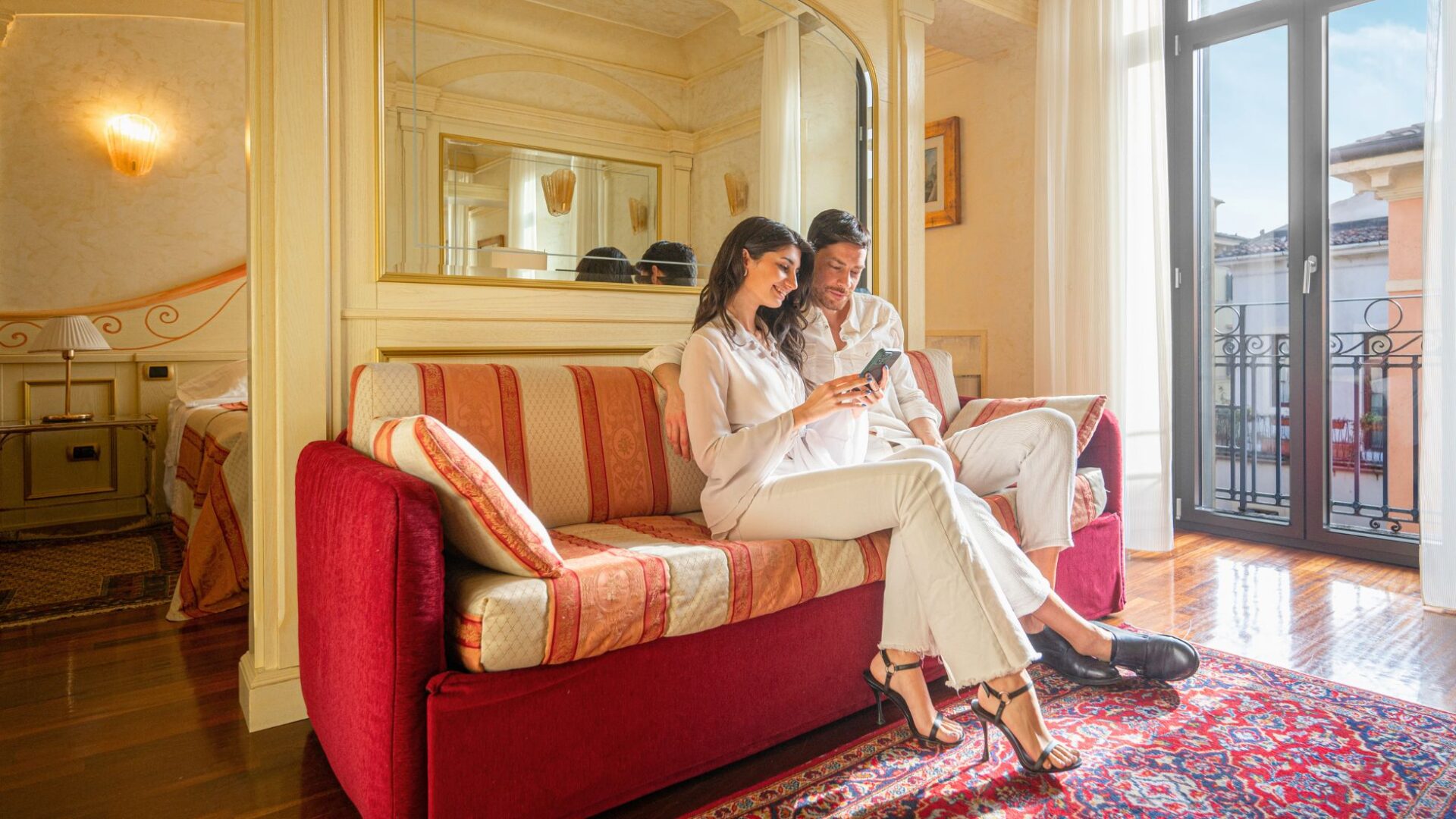
Verona, home to the Colomba d’Oro, was selected as the top destination to visit in 2026 by European Best Destinations—the portal that has been shortlisting Europe’s finest travel locations every year since 2009.
It is a city to be discovered at a leisurely pace: among historical squares, monuments, palaces, churches, museums, and scenic views along the Adige River. Recognized as a UNESCO World Heritage site in 2000, the historic center packs some of Italy’s most iconic attractions into just a few square kilometers: from the Verona Arena to Juliet’s House, Piazza delle Erbe, and Castelvecchio.
But what is there to see in Verona beyond its most famous landmarks? This guide from Colomba d’Oro compiles all the best things to see in and around Verona, offering a variety of ideas to organize your stay starting right from the closest four-star hotel to the Verona Arena.
For first-Timers: Unmissable Monuments in Verona
If you are visiting the city of Romeo and Juliet for the very first time, some landmarks are absolute must-sees. These highlights are all located in the heart of the historic center, just a short walk from Colomba d’Oro, meaning they can easily be reached on foot or by renting one of the hotel’s bicycles.
The Verona Arena and Piazza Bra
The ideal starting point for any itinerary in Verona, Piazza Bra—the city’s largest square—is also one of the grandest and most elegant piazzas in Europe. It is framed by historic palaces and the famous “Liston,” the grand pavement lined with lively bars and cafés, right behind which sits Colomba d’Oro. Dominating the scene is the Verona Arena, a 1st-century AD Roman amphitheater world-renowned for its perfect acoustics and prestigious summer opera season. To best plan your evening at the opera, consult our guide to shows at the Verona Arena.
Juliet’s House and the Shakespearean Legend
Near Piazza delle Erbe (which stands on the site of the ancient Roman Forum), an archway leads through a vault covered in love notes, guiding visitors into the famous courtyard of Juliet’s House. This 13th-century medieval building features the celebrated balcony built in honor of the Romeo and Juliet myth immortalized by William Shakespeare, along with the iconic bronze statue of the romantic heroine.
Piazza delle Erbe and Piazza dei Signori
The heart of Veronese life since Roman times (when it hosted the Forum), Piazza delle Erbe charms visitors with its colorful, frescoed palaces, the Fountain of Madonna Verona, and the bustling stalls of the local market vendors (piassaroti). Walking under the Arco della Costa brings you to Piazza dei Signori (also known as Piazza Dante), the city’s aristocratic living room dominated by the statue of the Supreme Poet, the Palazzo del Podestà, and the Lamberti Tower.
Castelvecchio and the Scaliger Bridge
A 14th-century fortress commissioned by Cangrande II della Scala, the Scaliger Castle—known simply to locals as “Castelvecchio” (Old Castle)—is a stunning example of medieval military architecture. Today, it houses the Civic Museum, elegantly restored by architect Carlo Scarpa. Don’t miss a walk across the Scaliger Bridge; with its distinctive swallowtail battlements, it offers one of the most photographed views over the Adige River.
Hidden Gems: Unusual and Secret Verona
Sometimes it is worth stepping away from the main tourist paths for a few hours to experience a quieter, more discreet side of the city
Underground Verona: Archaeology Beneath Street Level
Beyond the beauty visible on the surface, Verona hides an invaluable heritage right under your feet. Featuring Roman domus (villas), ancient paved roads, and perfectly preserved mosaics, exploring underground Verona offers a true journey back in time. If you wish to discover this hidden heritage, you can read our deep dive into Underground Verona.
Via Sottoriva and Medieval Verona
Often tucked away from busy tourist crowds, Via Sottoriva preserves the authentic charm of 13th-century Verona. With its low porticoes, cobblestone streets, and elegant traditional osterie where you can enjoy a glass of Amarone, this street runs parallel to the Adige River, offering exceptionally picturesque views.
Art, Architecture, and Culture
The city of Verona boasts over 40 churches, and its rich history extends far beyond its most famous monuments. Its palaces and museums allow visitors to explore the various eras that shaped the city—from the Roman era through the Middle Ages, the Renaissance, and into modern times.
Historic Churches and Palaces of Power
Among Verona’s religious and civic architecture, you will find buildings of immense historical and artistic value. The Basilica of San Zeno, the Cathedral (Duomo), Santa Anastasia, and the historic palaces surrounding the main squares tell the story of the city and the noble families who guided its development through their grand facades, frescoes, and decorations.
The Museums
From modern art to ancient sculpture, Verona’s cultural offerings cater to every interest. In addition to the aforementioned Castelvecchio Museum, other sites well worth a visit include Palazzo Maffei, the Capitular Library, the Archaeological Museum at the Roman Theatre, and the Achille Forti Gallery of Modern Art at Palazzo della Ragione. Joining these is the Scavi Scaligeri International Center of Photography, an unusual underground exhibition space that hosts major photography exhibitions year-round.
Veronese Experiences: Green Oases, Shopping, and Local Traditions
Between green parks, fashion boutiques, and food and wine stops, living Verona also means indulging in the luxury of time: taking the time to wander without a specific destination and savoring the city’s authentic local atmosphere.
Verona’s Gardens and Panoramic Viewpoints
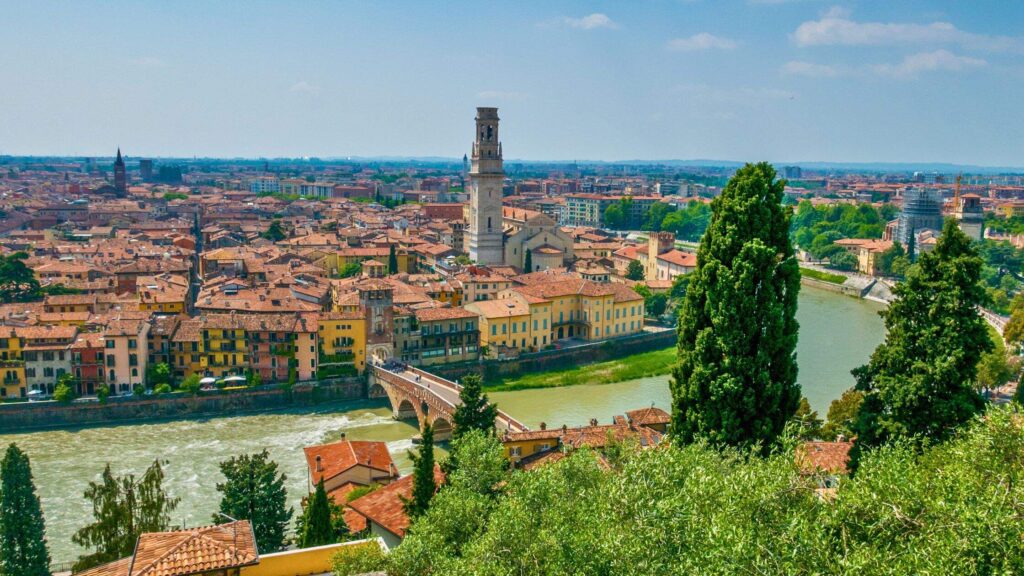
For a relaxing break in nature, Giardino Giusti is one of the finest examples of a Renaissance Italian garden. If you are looking for the best sunset view over the city, head up (on foot or via the funicular) to the hill of Castel San Pietro, where you can admire the bend of the Adige River and the rooftops of the historic center. Discover our curated selection of Verona’s gardens and panoramic viewpoints.
Luxury Shopping on Via Mazzini and Historic Markets
The primary shopping street in Verona, Via Mazzini connects Piazza Bra to Piazza delle Erbe and is the main destination for luxury fashion boutiques and high-end ready-to-wear international brands. For lovers of antiques and local crafts, Piazza San Zeno hosts a popular Antique Market every first Sunday of the month. Follow us to learn more!
Anecdotes and Popular Culture: The Veronese Dialect
Like all dialects, the Veronese dialect preserves unique expressions, idioms, and terms deeply tied to local history and culture—often capturing the spirit of the city with humor and immediacy. After all, you can also get to know a city through its words.
What to See Around Verona (Day Trips)
Verona’s historic center is just the starting point. For those wondering what to see in the surrounding area, the province offers a strikingly diverse landscape: Lake Garda, the rolling hills of Valpolicella, the alpine scenery of Lessinia, and the Illasi Valley are distinct destinations, each revealing another side of the region.
Lake Garda and the Scaliger Villages
A beloved spring and summer destination for millions of travelers, Lake Garda offers Mediterranean landscapes set against the backdrop of the Prealps. Charming villages such as Sirmione—with its Grottoes of Catullus and Scaliger Castle—Peschiera and Lazise are ideal spots for a day trip blending nature, relaxation, and gastronomy. Meanwhile, from Malcesine, you can take a cable car straight up to Mount Baldo for breathtaking panoramic views over the lake from above.
Among the Vineyards of Valpolicella
World-famous for producing exceptional wines such as Amarone, Ripasso, and Recioto, Valpolicella extends northwest of the city among gentle rolling hills, Venetian villas, and historic wineries where you can book guided wine tastings. Organize your wine tasting with the Colomba d’Oro!
Lessinia and Outdoor Tourism
For those who prefer hiking, mountain biking, and outdoors getaways, we highly recommend the Lessinia Natural Park. It features expansive plateaus, unique karst formations (such as the Veja Bridge), and traditional alpine huts (malghe) where you can sample PDO Monte Veronese cheese.
How to Organize Your Visit
A single day can be enough to cover the main attractions, whereas two or three days allow you to alternate between monuments, museums, lesser-known neighborhoods, and a few excursions outside the city center.
Getting Around Verona
The historic center of Verona, where the Colomba d’Oro is located, is very pedestrian-friendly and almost entirely designated as a ZTL (Limited Traffic Zone), making walking the best way to explore the city. For longer trips or to reach the Verona Porta Nuova train station, we recommend using the local bus network or renting a bike directly at Colomba d’Oro.
Where to Stay in the Historic Center
Located in the heart of Verona, just a few steps from Piazza Bra and the Arena, the Colomba d’Oro serves as the ideal home base for guests wishing to explore the city on foot and conveniently return to their hotel after a day of sightseeing.
Other Offers
The Capitular Library, a treasure to discover near the Colomba d'Oro
Just steps from Hotel Colomba d'Oro, next to Verona's Duomo, stands the Biblioteca Capitolare: the world's oldest library still in continuous use, home to over 1,200 manuscripts and the Indovinello Veronese, among the earliest traces of the Italian language. Come discover it!
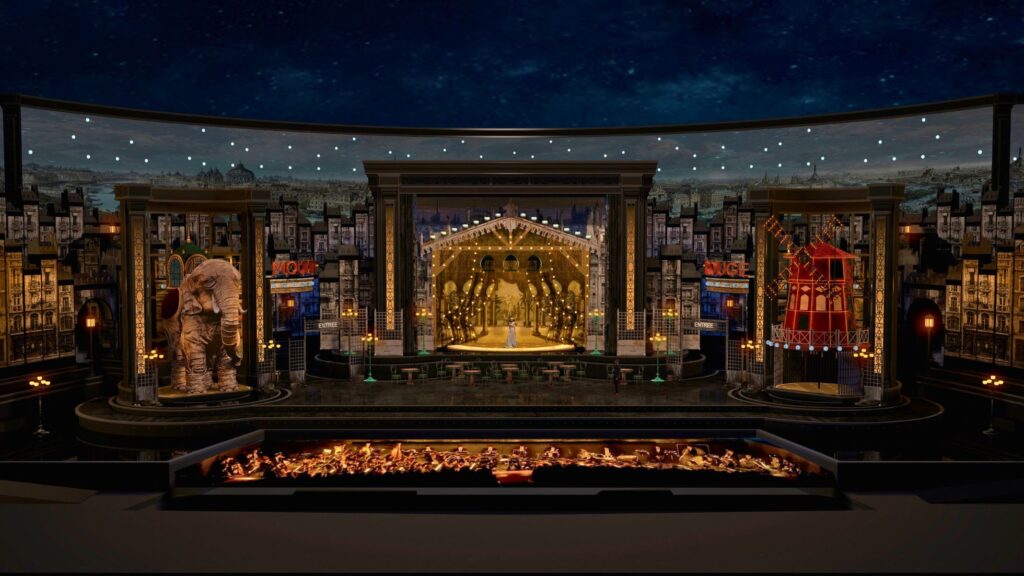
From Moulin Rouge to the Verona Arena: the nights of the new Traviata near the Colomba d'Oro
La Traviata hitting the stage at the Arena di Verona for the 2026–2027 season is designed to highlight the amphitheater's monumental scale, blending great Italian musical tradition with a scenic language that speaks even to first-time operagoers. We look forward to seeing you!
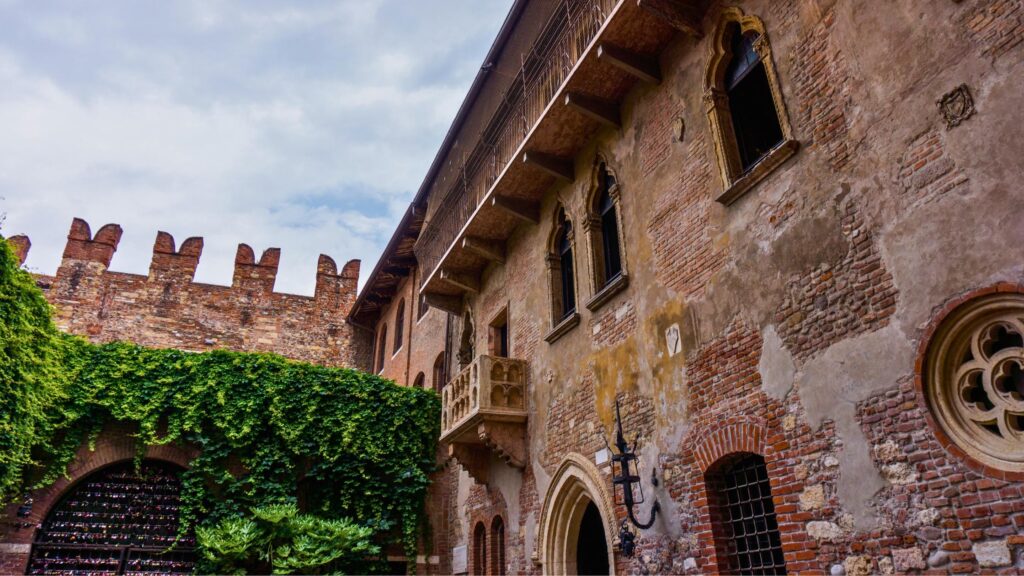
Sleeping near Juliet's House: Discover Verona from the Colomba d'Oro
Every year, thousands of tourists flock to the city of the Hotel Colomba d’Oro to experience the settings of Shakespeare’s tragedy firsthand, discovering whether it is merely a literary invention or if it holds a grain of truth. Located on Via Cappello, just a short stroll from the Hotel Colomba d’Oro, stands the most famous balcony in the world: Juliet’s balcony.
